Blogs
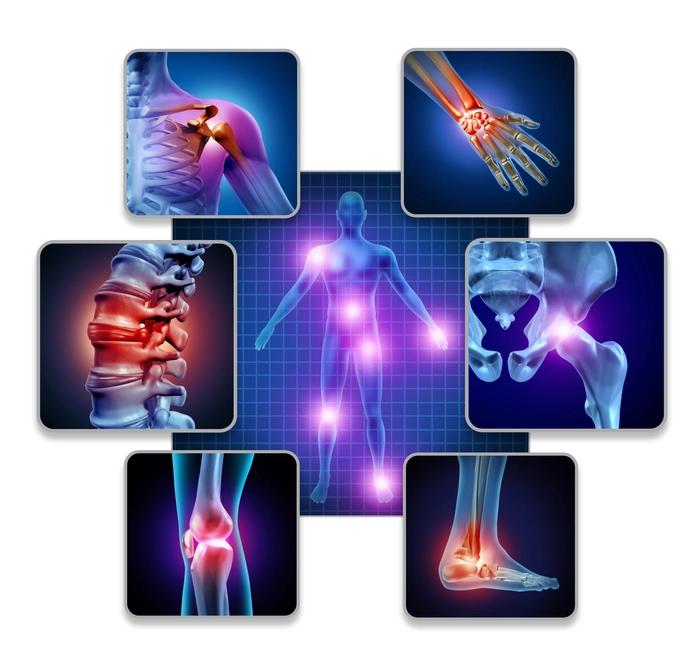

Arthritis is a common cause of joint pain and can affect any joint in the body, including the knees, hips, and hands. This condition may cause them to become inflamed and stiff, leading to worse pain in the early morning or at night. Women are more likely to experience joint pain than men.
Is Joint Pain an Autoimmune Disorder?
Rheumatoid Arthritis is a form of arthritis that is associated with an autoimmune disorder and inflammation. Autoimmune diseases can affect any age starting from children to the elderly. In one form, it can present with single or multiple joint pain with or without swelling. It can involve the hand, wrist, foot, knee, Hip, or shoulder joints. These pain are usually worst at night or early morning, mostly during winter, once you get up and/or go to bed. In another form, it can present with skin rash or other internal organ involvement like eyes, lungs, or kidneys where the primary physician will refer rheumatologists to rule out autoimmunity.
Cause of Joint Pain in the Morning or Night:
It is common for people with arthritis to experience increased joint pain and stiffness at night or in the early morning. This is often referred to as "morning stiffness." There are several proposed reasons why this occur, such as:
How Can You Manage Joint Pain?
If you are experiencing increased joint pain and stiffness at night or in the morning, it may be helpful to try some simple self-care strategies or report the symptoms to a rheumatologist for further evaluation and treatment if the pain doesn’t go away.
Here are a few ways to manage joint pain or arthritis:
Staying active during the day can help to reduce the pain and stiffness felt at night and in the morning. Do not neglect even when you have mild joint pains, as studies have shown that autoimmune disease can damage joints as early as 3 months after the illness. Hence, treating at early stages has a very good outcome, and crippling of joints can also be avoided.
Get treated early and live life happily after. Please book an appointment with a Consultant – Rheumatology to discover treatment options as per your condition.



Few decades back it was the Family Physician, our trustworthy go to doctor. More so, as he knew the family & its lineage well. The diagnosis was quality & quick thus.
Decades later , given the changing environs most had to move out to new cities & with it came new challenges. One such was the vacuum of a family physician and thus a holistic medical care for the family.
Manipal Hospitals, with it's out of the box approach came up with Neighbourhood connect. It not only filled up the void as mentioned above but much more than that.
Now we feel so relieved that there is a medical fraternity and extended family to take care of us , which is just a phone call away.
Be it the approachability of the top notch doctors , reachability of the medical leadership of the hospital , super quick responses to the emergency needs of the community, permanent deployment of Ambulances in residential areas , a 360 degree flexibility given for the well being of the community , constant medical education , proactive steps to prempt medical emergencies, critical first aid training given to the communities , celebrating our festivals together & list of long , trust me , are the salient features of the game changing Neighbourhood Connect.
Manipal Hospita has thus become such a value add to the neighborhood and I think if such a program if it can be extended to every nook & corner , we will be much better then a Developed Country in the medical field.
While I have a long list of egs on how such measures have impacted the lives of the residents , I will quote a particular incident. Will try to be as brief as possible on this.
A Senior Citizen last yr had an heart attack. While the Ambulance reached , we were given emergency support on video by one of the leaders on a VC. Result was by the time the Ambulance arrived her vitals had got better a tad. She survived.Unfortunately she got the same attack this year but in US but couldn't survive. For me the reason could also be the quick response unlike here.
To sum up if the the above is the cake , the attitude of the staff across the hierarchy is the icing.
While I am wrapping up the write up , I realize I have put across just half of the things. Will leave the other half for some other time.
Once again , thankyou very much Manipal Hospitals for being there. For being such a value add.
A special thankyou to the COO Mr. Karthik , Directors Dr. Suja & Dr. Bhavna , Reshma & Prajwal. You guys have been the torch bearers and leading the magnificent work.

For men, there's often an unspoken, burdensome silence that never seems to change, regardless of age or background. They often do not openly express their feelings for the fear being labelled a weak person or having their feelings judged. However, this silence may have negative impact on their mental and emotional well-being.
International Men’s Day, celebrated every November 19, is dedicated to raise awareness on men’s and boys’ health and holistic well-being. With the theme 'Positive Role Models,' this year’s International Men’s Day is a time to celebrate the men who lead, reminding us that vulnerability is a strength. Together, we can encourage men to talk, reach out, and break out of social shackles that restrict their emotions.
In this blog, we look at what mental health means for men, the barriers to showing emotion, and positive role models for men who could prompt conversation and create a safe environment.
There are many cultures where men grow up hearing "man up." This kind of mentality coaches them to stifle their feelings, and that vulnerability is a weakness. That's wrong, though. Mental health does not discriminate. People of all genders experience depression, anxiety and stress.
Studies show that men are generally more reluctant than women to seek professional help for mental health issues, often due to societal stigma or personal hesitation. This reluctance has serious consequences. Research indicates that men account for approximately 75–80% of global suicides each year. These alarming statistics serve as a wake-up call for greater awareness and action.
The effects continue to ripple out when a man represses his emotions. It harms relationships, work productivity, and health starts to fall. The breaking of the silence isn’t about the amount of talk anymore; it’s about survival, strength, and essentially redefining what it means to be a man.
Mental illness does not always announce itself with warning signs. Very often, it is masked beneath subtle layers of going about one's daily life, making it easy to ignore or dismiss. Here are some indicators that might indicate an issue:
If you notice these signs in yourself or someone close to you, don't ignore them. Early intervention may help prevent the situation.
Understanding these differences can help you identify struggles in yourself or the men around you. While women often express sadness and seek social support, men might channel their emotions into physical actions or externalise their pain. For instance:
These differences underline why tailored approaches to men’s mental health are so crucial. Awareness is the first step, but creating an environment where men feel safe to speak is the game-changer.
Building a world where men feel comfortable opening up starts with us. Here’s how you can play a role:
Role models play a pivotal role in reshaping narratives around masculinity. A positive male role model doesn’t just show strength; he shows compassion, empathy, and resilience. Take Robin Williams as an example. While the world knew him as a comedic genius, his struggles with mental health remind us that even the brightest smiles can hide pain. By sharing stories like his, we normalise conversations about mental health.
Closer to home, fathers, uncles, and friends can serve as role models by openly expressing their emotions. This demonstrates to younger generations that vulnerability isn’t a weakness but a strength.
Breaking the silence on men’s mental health isn’t just a campaign; it’s a movement. It’s about dismantling harmful stereotypes, fostering open conversations, and building a world where men feel safe to seek help. This International Men’s Day, let’s celebrate the positive male role models in our lives while becoming one ourselves.
Because when men talk, we all heal. Let’s make it easier, not harder, for the men around us to say, “I’m struggling.” One conversation, one role model, and one step at a time, we can change lives.
Blogs
Arthritis is a common cause of joint pain and can affect any joint in the body, including the knees, hips, and hands. This condition may cause them to become inflamed and stiff, leading to worse pain in the early morning or at night. Women are more likely to experience joint pain than men.
Is Joint Pain an Autoimmune Disorder?
Rheumatoid Arthritis is a form of arthritis that is associated with an autoimmune disorder and inflammation. Autoimmune diseases can affect any age starting from children to the elderly. In one form, it can present with single or multiple joint pain with or without swelling. It can involve the hand, wrist, foot, knee, Hip, or shoulder joints. These pain are usually worst at night or early morning, mostly during winter, once you get up and/or go to bed. In another form, it can present with skin rash or other internal organ involvement like eyes, lungs, or kidneys where the primary physician will refer rheumatologists to rule out autoimmunity.
Cause of Joint Pain in the Morning or Night:
It is common for people with arthritis to experience increased joint pain and stiffness at night or in the early morning. This is often referred to as "morning stiffness." There are several proposed reasons why this occur, such as:
How Can You Manage Joint Pain?
If you are experiencing increased joint pain and stiffness at night or in the morning, it may be helpful to try some simple self-care strategies or report the symptoms to a rheumatologist for further evaluation and treatment if the pain doesn’t go away.
Here are a few ways to manage joint pain or arthritis:
Staying active during the day can help to reduce the pain and stiffness felt at night and in the morning. Do not neglect even when you have mild joint pains, as studies have shown that autoimmune disease can damage joints as early as 3 months after the illness. Hence, treating at early stages has a very good outcome, and crippling of joints can also be avoided.
Get treated early and live life happily after. Please book an appointment with a Consultant – Rheumatology to discover treatment options as per your condition.
Few decades back it was the Family Physician, our trustworthy go to doctor. More so, as he knew the family & its lineage well. The diagnosis was quality & quick thus.
Decades later , given the changing environs most had to move out to new cities & with it came new challenges. One such was the vacuum of a family physician and thus a holistic medical care for the family.
Manipal Hospitals, with it's out of the box approach came up with Neighbourhood connect. It not only filled up the void as mentioned above but much more than that.
Now we feel so relieved that there is a medical fraternity and extended family to take care of us , which is just a phone call away.
Be it the approachability of the top notch doctors , reachability of the medical leadership of the hospital , super quick responses to the emergency needs of the community, permanent deployment of Ambulances in residential areas , a 360 degree flexibility given for the well being of the community , constant medical education , proactive steps to prempt medical emergencies, critical first aid training given to the communities , celebrating our festivals together & list of long , trust me , are the salient features of the game changing Neighbourhood Connect.
Manipal Hospita has thus become such a value add to the neighborhood and I think if such a program if it can be extended to every nook & corner , we will be much better then a Developed Country in the medical field.
While I have a long list of egs on how such measures have impacted the lives of the residents , I will quote a particular incident. Will try to be as brief as possible on this.
A Senior Citizen last yr had an heart attack. While the Ambulance reached , we were given emergency support on video by one of the leaders on a VC. Result was by the time the Ambulance arrived her vitals had got better a tad. She survived.Unfortunately she got the same attack this year but in US but couldn't survive. For me the reason could also be the quick response unlike here.
To sum up if the the above is the cake , the attitude of the staff across the hierarchy is the icing.
While I am wrapping up the write up , I realize I have put across just half of the things. Will leave the other half for some other time.
Once again , thankyou very much Manipal Hospitals for being there. For being such a value add.
A special thankyou to the COO Mr. Karthik , Directors Dr. Suja & Dr. Bhavna , Reshma & Prajwal. You guys have been the torch bearers and leading the magnificent work.
For men, there's often an unspoken, burdensome silence that never seems to change, regardless of age or background. They often do not openly express their feelings for the fear being labelled a weak person or having their feelings judged. However, this silence may have negative impact on their mental and emotional well-being.
International Men’s Day, celebrated every November 19, is dedicated to raise awareness on men’s and boys’ health and holistic well-being. With the theme 'Positive Role Models,' this year’s International Men’s Day is a time to celebrate the men who lead, reminding us that vulnerability is a strength. Together, we can encourage men to talk, reach out, and break out of social shackles that restrict their emotions.
In this blog, we look at what mental health means for men, the barriers to showing emotion, and positive role models for men who could prompt conversation and create a safe environment.
There are many cultures where men grow up hearing "man up." This kind of mentality coaches them to stifle their feelings, and that vulnerability is a weakness. That's wrong, though. Mental health does not discriminate. People of all genders experience depression, anxiety and stress.
Studies show that men are generally more reluctant than women to seek professional help for mental health issues, often due to societal stigma or personal hesitation. This reluctance has serious consequences. Research indicates that men account for approximately 75–80% of global suicides each year. These alarming statistics serve as a wake-up call for greater awareness and action.
The effects continue to ripple out when a man represses his emotions. It harms relationships, work productivity, and health starts to fall. The breaking of the silence isn’t about the amount of talk anymore; it’s about survival, strength, and essentially redefining what it means to be a man.
Mental illness does not always announce itself with warning signs. Very often, it is masked beneath subtle layers of going about one's daily life, making it easy to ignore or dismiss. Here are some indicators that might indicate an issue:
If you notice these signs in yourself or someone close to you, don't ignore them. Early intervention may help prevent the situation.
Understanding these differences can help you identify struggles in yourself or the men around you. While women often express sadness and seek social support, men might channel their emotions into physical actions or externalise their pain. For instance:
These differences underline why tailored approaches to men’s mental health are so crucial. Awareness is the first step, but creating an environment where men feel safe to speak is the game-changer.
Building a world where men feel comfortable opening up starts with us. Here’s how you can play a role:
Role models play a pivotal role in reshaping narratives around masculinity. A positive male role model doesn’t just show strength; he shows compassion, empathy, and resilience. Take Robin Williams as an example. While the world knew him as a comedic genius, his struggles with mental health remind us that even the brightest smiles can hide pain. By sharing stories like his, we normalise conversations about mental health.
Closer to home, fathers, uncles, and friends can serve as role models by openly expressing their emotions. This demonstrates to younger generations that vulnerability isn’t a weakness but a strength.
Breaking the silence on men’s mental health isn’t just a campaign; it’s a movement. It’s about dismantling harmful stereotypes, fostering open conversations, and building a world where men feel safe to seek help. This International Men’s Day, let’s celebrate the positive male role models in our lives while becoming one ourselves.
Because when men talk, we all heal. Let’s make it easier, not harder, for the men around us to say, “I’m struggling.” One conversation, one role model, and one step at a time, we can change lives.